
MIL-D-3464 Desiccant
What MIL-D-3464 is
MIL-D-3464 (current revision MIL-D-3464E) is the United States military performance specification for activated desiccants used in packaging, storage and transport. It is the document that defines the unit — the quantity of desiccant that will adsorb at least 3.0 grams of moisture at 20% RH, or 6.0 grams at 40% RH — and that classifies bags by type.
Its practical value is that it replaces a vague requirement ("include some desiccant") with a measurable one. A buyer can specify a quantity of units and know what protection they are actually receiving, rather than ordering by weight and hoping.
It is easy to confuse with MIL-D-3463, which is a different document: that one governs marking. It dictates what must be printed on the bag itself — nomenclature, bag type, manufacturer name and address, unit contents, and the reactivation time and temperature. In short: 3464 is how the desiccant has to perform, 3463 is what has to be printed on it. A purchase order may reference either or both.
The packaging method the desiccant serves
Desiccant units don't exist in isolation. They are specified because a preservation method calls for them: a sealed barrier bag with a measured quantity of desiccant inside, sized to the volume of air trapped in the bag.
Our product literature states that Sta-Dri exceeds the Method II packaging performance standards described in MIL-P-116F, where the package is held below 40% RH for 18 months to two years. That is the most concrete durability figure we publish, and it is the origin of the "below 40%" number you will see elsewhere on this site.
Purchase orders vary. If yours calls out MIL-STD-2073 or another preservation standard, a bag type, or a unit count, send it with your enquiry and we will confirm in writing what we can document against it. Send us the requirement.
Why buyers specify units, not pounds
Two desiccant bags of identical weight can take up very different amounts of water, depending on the material and how it was processed. Ordering by weight tells you what you are paying to ship, not what protection you are getting.
A desiccant unit is defined by adsorption performance at a stated relative humidity and temperature. Specifying in units makes the requirement portable across suppliers and materials, which is why defence, aerospace and export-packaging buyers work this way.
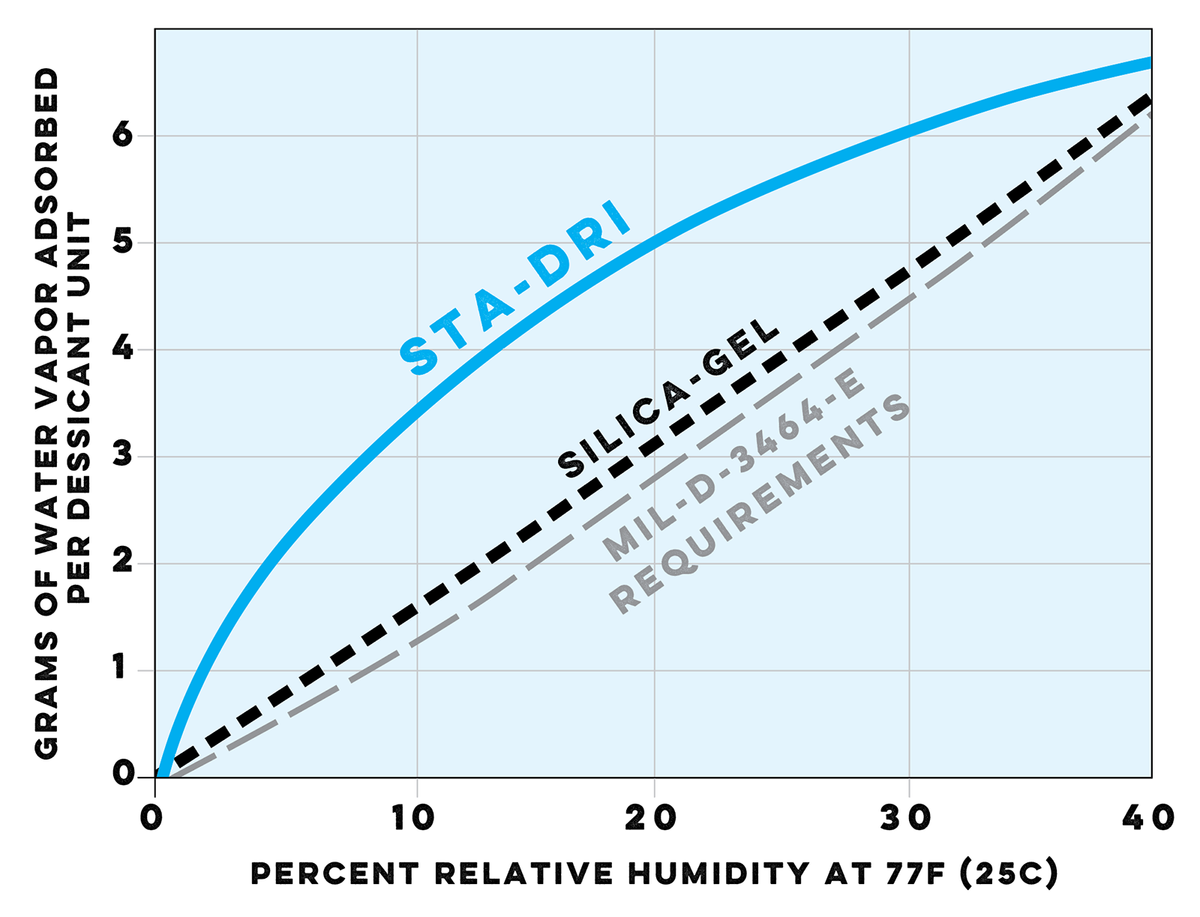
Sta-Dri against silica gel and the military requirement
Grams of water vapour adsorbed per desiccant unit, plotted against relative humidity at 77°F (25°C). The Sta-Dri curve sits above both silica gel and the military requirement across the whole range — and the gap is widest at the low humidities that matter most for long-term storage, where a desiccant has to keep pulling water out of already-dry air.
A unit of Sta-Dri is one ounce (28.35 grams). The specification requires a unit to take up at least 3 grams at 20% RH and 6 grams at 40% RH.
Bag types under MIL-D-3464
The specification sorts desiccant bags into three types, and a purchase order will normally name one:
- Type I — general use.
- Type II — low dust, for applications where particulate migration onto the packed item matters.
- Type III — hot water resistant.
If you are specifying against a type, tell us which one and we will confirm in writing rather than have you infer it from a web page. Send us the requirement.
Where Sta-Dri stands
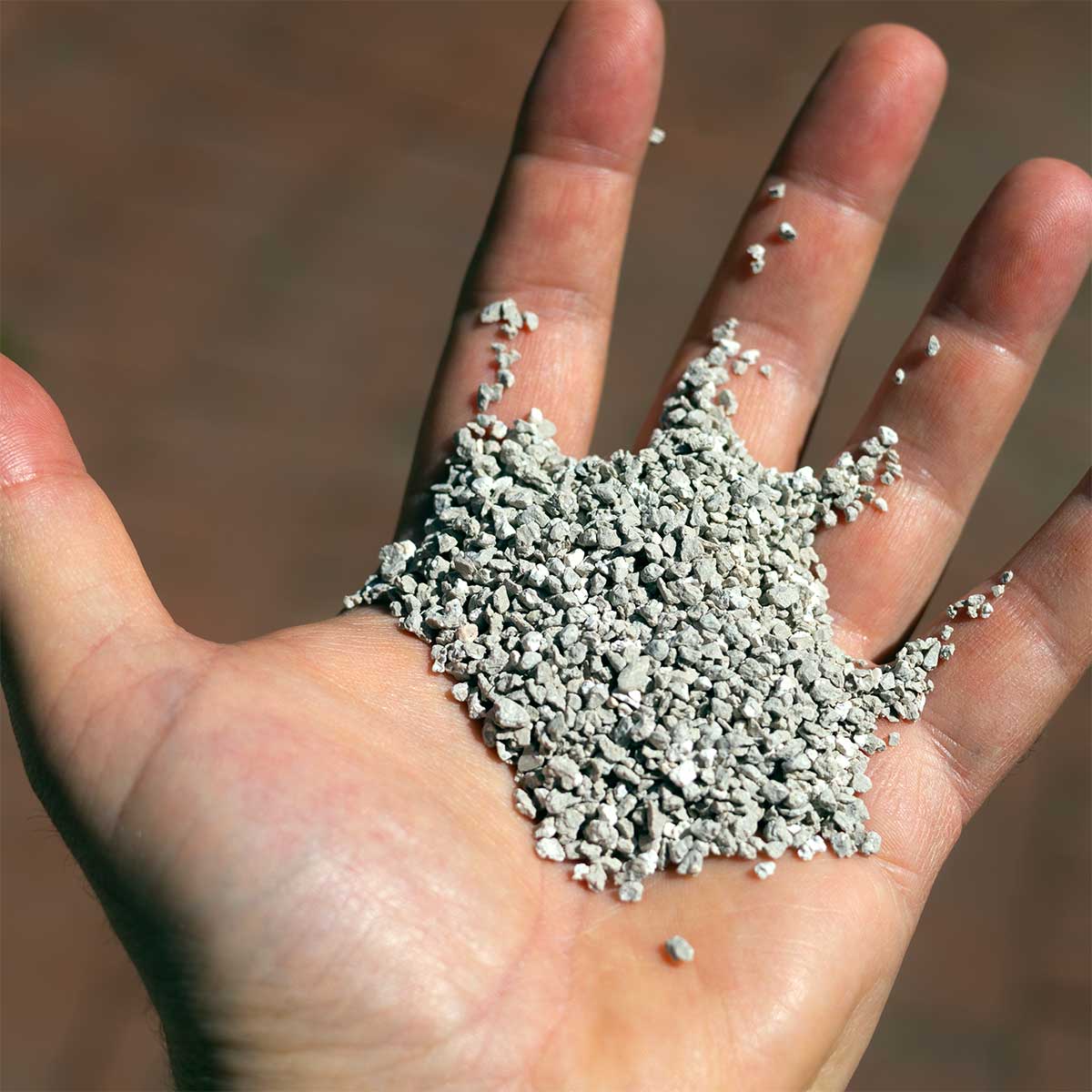
Sta-Dri packs are pure montmorillonite clay, mined in the American Southwest and packaged in the USA. Our product literature states that Sta-Dri exceeds US military storage specifications. Under that specification a desiccant unit absorbs at least 3 grams of water vapour at 20% RH and 6 grams at 40% RH, and a unit of Sta-Dri is one ounce (28.35 grams). Over seven hours a unit takes up .25 grams at 40% RH and .70 grams at 80% RH.
If you are buying against a written specification, ask us for current documentation rather than working from a marketing page — we would rather you verify it. Request bulk pricing and documentation.
Why clay for military and industrial storage
- Non-corrosive. No calcium chloride, so there is no brine to form and nothing to leak onto stored materiel, packaging or crate interiors.
- Safe in direct contact with metal, optics, textiles, paper and finished surfaces.
- Non-toxic and non-flammable, with no additives — relevant for mixed freight and shared storage.
- Stable across temperature swings, which matters for materiel that crosses climate zones in a sealed container.
- Rechargeable in a conventional oven for up to three cycles — and spent packs need no special disposal. The fill is mined clay with no additives, so it can simply be emptied out.
As with any desiccant, this works on the air inside a sealed enclosure — a crate, container, barrier bag or case. It is not a warehouse dehumidifier.
Specifying desiccant for a contract or a shipment?
Tell us what you are storing, the enclosure, and what you are specifying against. We will come back with pricing, a recommended pack size and quantity, and the documentation you need.
MIL-D-3464 and desiccant units FAQ
What is the difference between MIL-D-3464 and MIL-D-3463?
MIL-D-3464 is the performance specification: how much moisture the desiccant must adsorb, and what type of bag it is. MIL-D-3463 is the marking specification: what has to be printed on the bag — nomenclature, bag type, manufacturer name and address, unit contents, and reactivation time and temperature. They are frequently cited together and just as frequently confused.
What is MIL-D-3464?
The US military performance specification for activated desiccants used in packaging, storage and transport. It defines the desiccant unit — at least 3.0 grams of moisture adsorbed at 20% RH, or 6.0 grams at 40% RH — and classifies bags as Type I (general use), Type II (low dust) or Type III (hot water resistant).
What is a desiccant unit?
A quantity of desiccant defined by how much water vapour it adsorbs at a stated relative humidity and temperature, rather than by weight. Two bags of equal weight can differ substantially in capacity, so units are the meaningful way to specify.
Does Sta-Dri meet MIL-D-3464?
Our product literature states that Sta-Dri exceeds US military storage specifications. A desiccant unit is defined as absorbing at least 3 grams of water vapour at 20% RH and 6 grams at 40% RH; a unit of Sta-Dri is one ounce (28.35 grams). If you are purchasing against a written spec, request current documentation from us directly.
Can I get a spec sheet or SDS?
Yes — ask through the bulk enquiry form and tell us which document you need and what you are specifying against.
Is clay desiccant suitable for export crating and containers?
It is a common choice, because it is non-corrosive and produces no liquid. Size it against the enclosed volume of the crate or container and the expected transit time.